This is the kind of boring we’re excited about.
Fort Smith has been named a finalist in The Boring Company’s Tunnel Vision Challenge, a global competition highlighting innovative tunneling projects.Our proposal focuses on one of the most complex infrastructure challenges in the region — crossing beneath the Arkansas River to strengthen our regional water system.
The Challenge
Crossing the Arkansas River
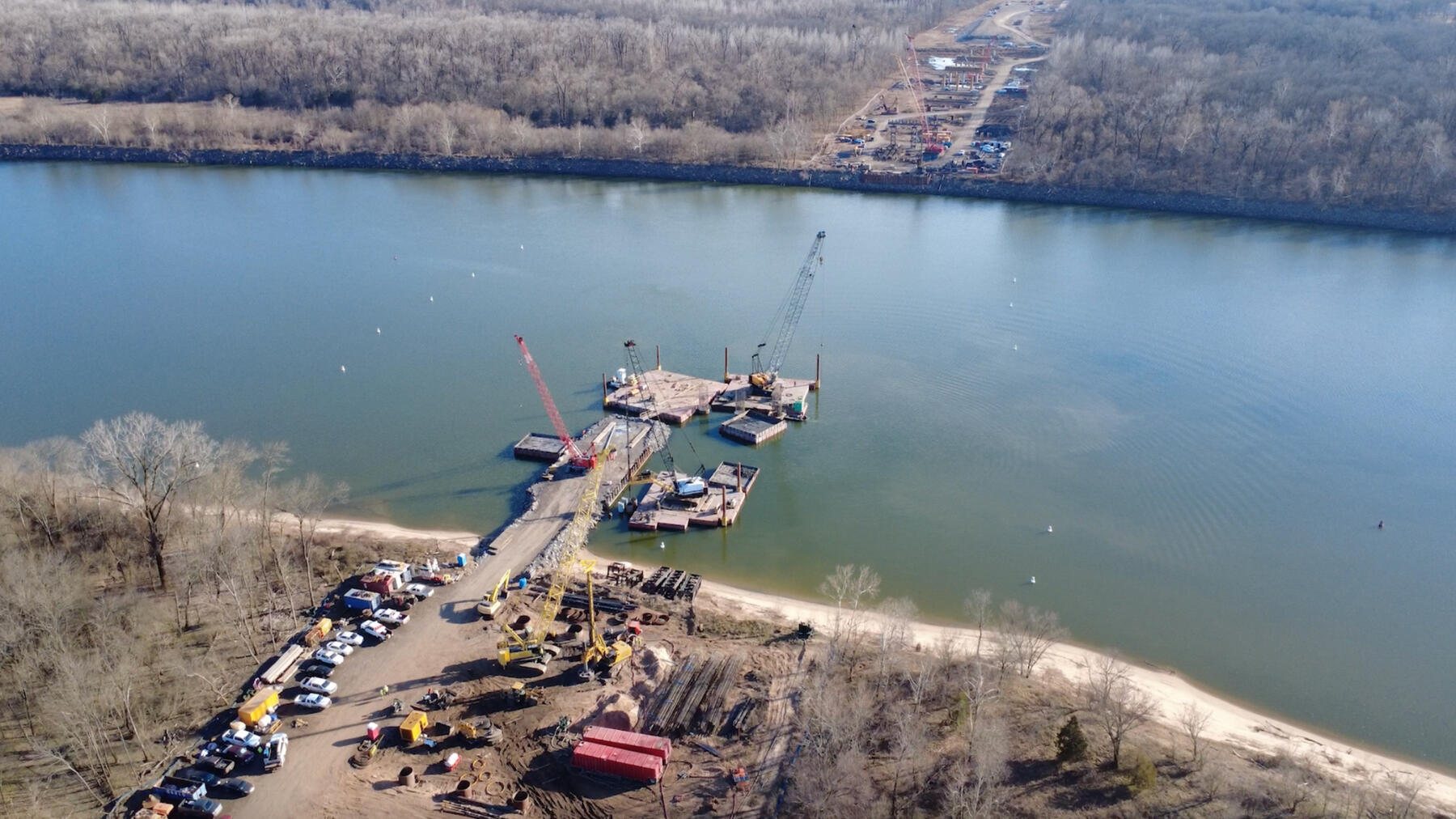
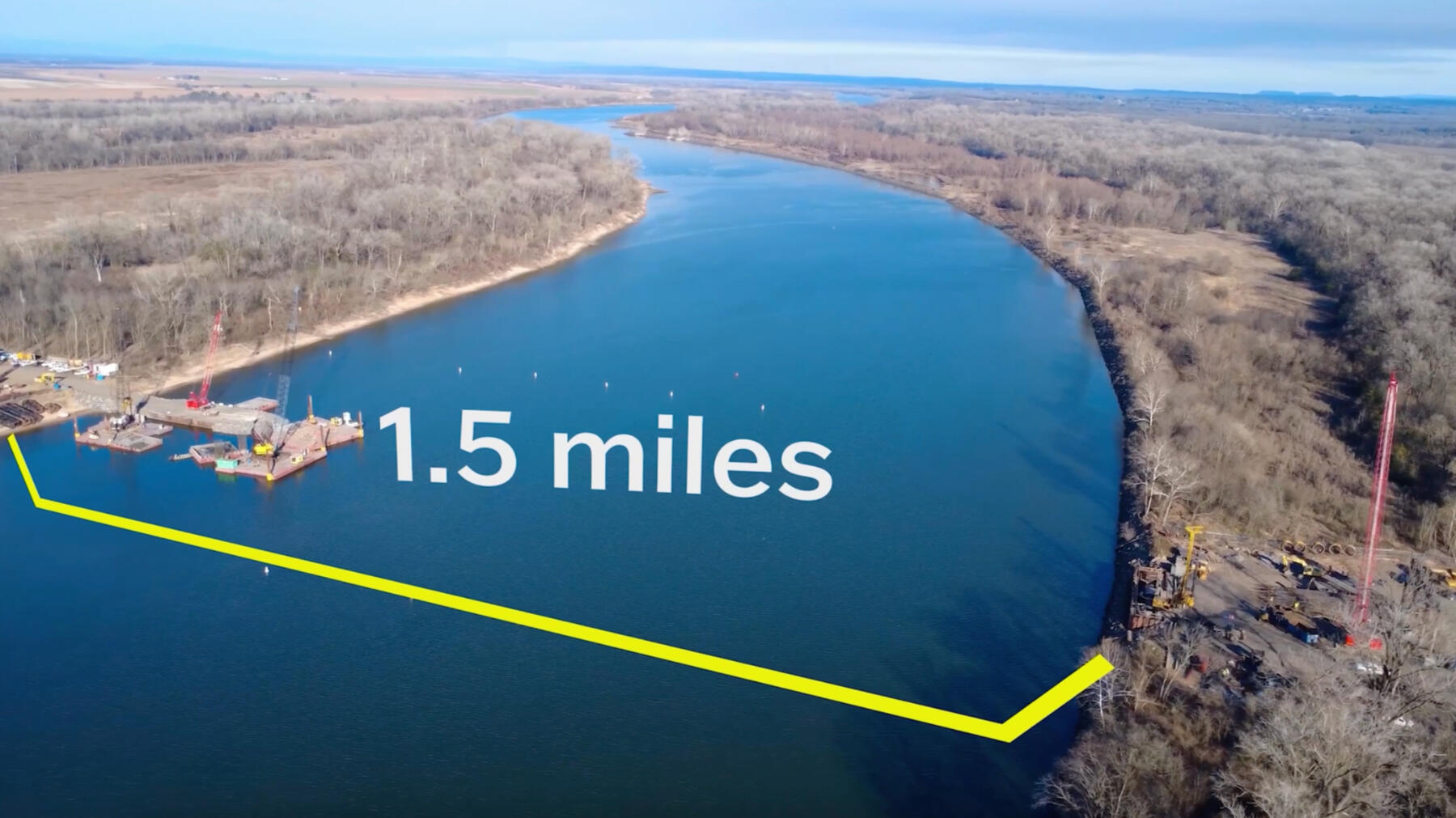
One of the most technically challenging parts of Fort Smith’s regional water transmission project lies beneath the Arkansas River and a federal levee. A 1.5-mile segment of transmission line must safely cross beneath the river to deliver water to communities south of the river while protecting critical infrastructure from flooding, erosion, and river activity. The existing river crossing was constructed in 1954 using hand tunneling methods. Today’s regional water demand requires a modern solution.
The Proposal
A Tunnel Beneath the River
Fort Smith’s proposal calls for a 12-foot-diameter tunnel bored approximately 70 feet into bedrock beneath the Arkansas River. Inside the tunnel would be a 48-inch water transmission pipe connecting the Lake Fort Smith Water Treatment Plant to communities south of the river. Tunneling places the infrastructure deep below the riverbed, protecting it from flooding, river erosion, vessel impacts, river dredging operations, and surface disruption.
Why This matters
Tunneling provides the lowest-risk and most durable option for crossing beneath the Arkansas River. By placing the transmission line deep in bedrock, the infrastructure remains protected from surface hazards and environmental conditions that can impact traditional crossings. This approach strengthens the reliability of the region’s water system for decades to come.
Regional Impact
This tunnel is part of a 30-mile regional water transmission system designed to support long-term water reliability. When completed, the system will deliver up to 60 million gallons of water per day, enough to fill 91 Olympic-sized swimming pools every day, and will support more than 30 communities across two states and five counties.
Regional Growth
Reliable water infrastructure supports the region’s economic and strategic assets, including Fort Chaffee, Ebbing Air National Guard Base, and manufacturing and industry across the River Valley, and projects like this are designed not just for today, but for future generations of growth and development.
Project at a glance
30+
miles of transmission line
60 million
gallons of water per day
30+
communities served
National recognition
The Tunnel Vision Challenge
Fort Smith’s project was selected as a finalist in The Boring Company’s Tunnel Vision Challenge, a global initiative seeking innovative tunneling solutions. The challenge received 487 proposals from around the world, with Fort Smith selected as one of 16 finalists. The winning project will be announced March 23.
fort smith is
Built for the Future
This project is designed not just for today, but for generations of growth, resilience, and regional development. Infrastructure investments like this strengthen water reliability, support military readiness, enable economic expansion, and ensure communities across the River Valley have dependable access to clean water. Sometimes the most important infrastructure is the work happening below the surface.